

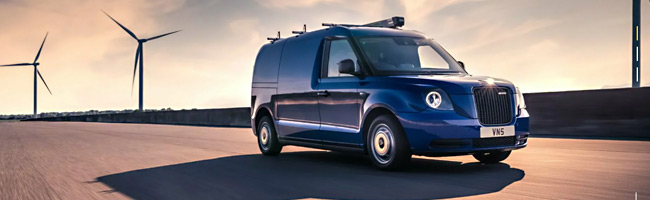
In a case of everything old is new again, London Taxi Co unveils development of fleet of
all-electric iconic black London cabs!
London 1897-
The most exciting thing that happened in transportation in London of the 1890s is the Bersey Cab that hit the streets in 1897. Bersey Cabs were not only the first "horseless" taxis in the world, they were also the first electric taxis. They could only travel thirty miles on a charge, but a clever system was devised to make changing the battery quick and easy. Sadly, unreliable tires and a failed attempt to generate his own electricity did inventor, Walter Bersey, in financially and he went out of business in 1899. At their peak Bersey had over 75 "horseless" taxis on London roads.
London 2016-
Cut to today, and the most exciting thing to happen in London transportation in 2016 is the London Taxi Co announcement of development of zero-emission capable vehicles-the "horseless" TX5. ZGH, which owns London Taxi Co has raised $400 million through the sale of green bonds to electrify its taxi fleet of iconic black London cabs!
ZGH expects to launch the new vehicle—a battery-powered hybrid with an aluminum body—in the U.K. at the end of next year and in international markets in 2018. The company is up against a 2018 deadline to get cleaner cabs on London’s roads. That’s when the city’s new “Ultra Low Emission Zone” goes into effect for licensed taxies and private hire vehicles. To travel within that area, all vehicles will need to meet exhaust emissions standards or pay a daily charge.
It took 119 years but Mr Berseys dream of an all electric fleet of London cabs is about to come true—again!
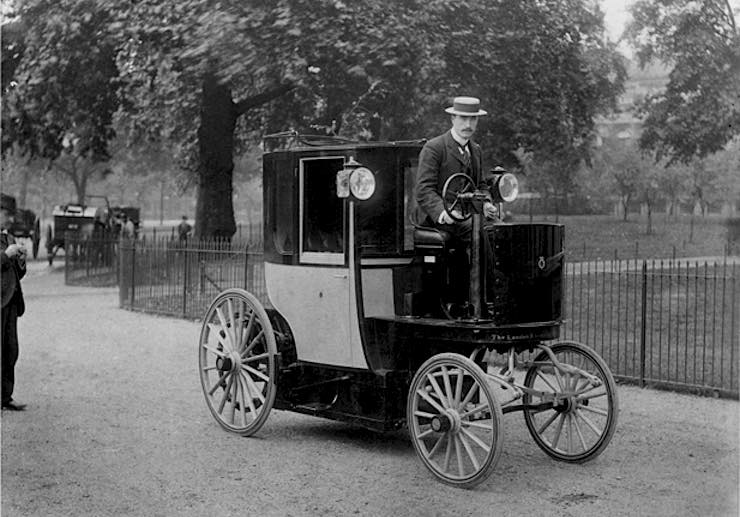
Photo courtesy of The Earthbound Report (https://earthbound.report).
(TOP) Electric Taxi photo courtesy of London Electric Vehicle Company (https://levc.com/)
