
Crazy as it sounds, but all this freezing weather is the result of the North Pole losing pressure to keep its arctic weather belt intact… perhaps cinch up that belt tighter, North Pole. The North Pole is approximately 36 degrees Fahrenheit warmer since 2016, compared to only being 5 degrees warmer recorded in 1979. Sea levels have risen dramatically too. Make note of the historic Fisherman’s Point shacks in South Portland, Maine yanked out to sea on January 14 of this year; truly historic and ironic. I remember my 5th grade science teacher in 1977 speaking of catastrophes to come by year 2050…. boy was he off by a decade or two. Or was he?
All of what is happening are only samplings or precursors , if you will, of what is touted to come. Whether, no pun intended, to substantiate or dismiss the scientific guestimates of climate change patterns requires the same amount of work and years of studying environmental impacts and causes to stand on either side of that fence. I won’t bore you with scientific study analysis from our scientists because there has been plenty: scientific studies are referenced on the very city billboards that turn into flying debris from the record amount of hurricanes and tornados in recent years. And this coastal flooding isn’t new, but what is new is the frequency and intensity.
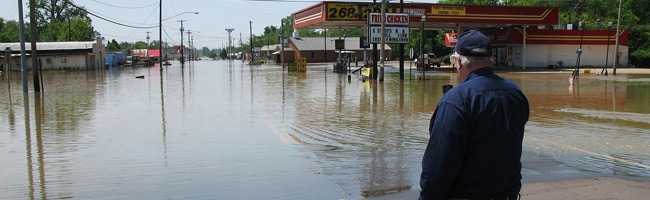
In a previous blog post, I mentioned the Polar Vortex. This Arctic shift to the southern hemisphere is because the climate is a little broken, maybe a little more than a little, but not yet a lot. We will get to that point later in this article. The rise in sea levels are related to this Polar Vortex as well as most all recent unique weather conditions currently being experienced locally in the United States and internationally. The U.S. Eastern seaboard and Gulf of Mexico are most affected, where the hightides and nuisance flooding had been predicted to rise four times a year and eightfold per year by year 2050 (1). However, those occurrences are happening in more irregular frequencies as of to date. Florida is predicted to experience future catastrophic flooding, and today the state of Maine is experiencing flooding never before seen.
Now about fixing what is broken. Could there be a chance of a reprieve? Understand the cogs of motion are already spinning and grinding against each other, damage has already been done and more is to come. But climate and environmental scientists are currently developing processes to stop a complete environmental meltdown. Safeguarding a certain degree of collateral damage, such as loss of human life, property damage, whole towns and cities decimated, is what is at stake for the future. There is no fixing of the environment, not in the immediate sense, but there is healing, which will take decades, if not centuries, to repair the damage from all that has affected our planet.
Perhaps many of you feel this climate change to be just a natural occurrence. Sure, listen to the marketing mechanisms of oil and gas producers delivered as “education,” keep driving that SUV, big luxury car or hot rod like so many mimicking the fantastical world of the Fast and Furious big screen series. There must be another way to look tough and act cool without that furiously fast car. And what about your children’s futures? What then, where to next, if weather is unpredictable, big coastal cities are unliveable, and certain industry jobs are no longer options?
Perhaps if we all had paid attention to our 5th grade science teacher back in the 70’s, we would have acted upon the climate change warnings. And as you read this from your comfortable chair, consider that we as a species need to move forward quickly to mitigate the dangers of Climate Change, from demanding muscle cars be “muscled” out, scrutinize climate-change-denying politicians and educating our children about the importance of living with environmental decision-making at the forefront of every purchase. Our future is at stake!
(1) https://www.rff.org/publications/explainers/flooding-in-the-united-states-101-causes-trends-and-impacts/
Sources:
https://www.scientificamerican.com/article/the-arctic-is-warming-four-times-faster-than-the-rest-of-the-planet/
https://www.rff.org/publications/explainers/flooding-in-the-united-states-101-causes-trends-and-impacts/
https://www.neefusa.org/story/climate-change/increases-coastal-flooding
https://crsreports.congress.gov/product/pdf/R/R44632
https://thehill.com/policy/energy-environment/4406948-what-is-the-polar-vortex/
Featured Image Source: Bradley Carroll, Public domain, via Wikimedia Commons
