

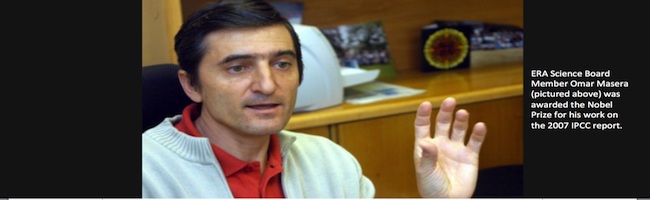
Last month the Intergovernmental Panel on Climate Change (IPCC) released the first segment of its 5th report, which describes the scientific basis for climate change caused by humans. The IPCC’s goal is to assess scientific, technical and socio-economic information concerning climate change, its potential effects and options for adaptation and mitigation.
Over 2,000 scientists worked on this report, using a remarkable amount of raw data taken from 9,200 peer-reviewed studies. The IPCC reports always garner a healthy amount of controversy, as both climate change deniers and believers fight over the report’s implications.
Here are the 4 most important takeaways from the IPCC’s most recent report, so you can decide for yourself:
1. It is virtually certain that the earth has warmed since the mid-20th century, and it probably will continue to warm.
· The planet’s surface could warm anywhere from 2.7°F to 7.2°F by 2100 relative to pre-1900 conditions.
· This means more extreme weather, storms, drought, flooding, and heat waves.
2. Scientists are more confident than ever that climate change is human caused.
· They are over 95% sure; that’s increased from 90% certainty in 2007, 66% in 2001, and 50% in 1995.
3. Glaciers are melting at an accelerating rate in the Arctic and Antarctica.
· Sea levels could rise more than 3 feet by 2100 if greenhouse gas emissions are unchecked.
· Major coastal cities like New York and Hong Kong would be affected.
4. The rises in temperature, sea level, and occurrence of extreme weather all coincide with rising greenhouse gas levels.
· Greenhouse gas levels haven’t been this high in over 800,000 years.
The remaining segments of the 5th IPCC report, which concern potential impacts and recommended mitigation plans, will be released in 2014.
